What Is Marine Salvage? A Guide to Boat and Vessel Recovery
Marine salvage is the recovery, refloating, removal, or stabilisation of vessels and other marine assets that have sunk, grounded, become stranded, or created a hazard in the water. For boat owners, contractors, councils, insurers, and infrastructure managers, the priority is usually to understand what can be recovered, what equipment is required, and how the operation can be carried out with the surrounding waterway in mind.
Because every incident is different, there is no single marine salvage method that suits every job. Water depth, vessel condition, access, weather, currents, environmental risk, and the weight of the asset can all change the recovery plan. This guide explains the typical process and the equipment that may be involved. For project-specific support, explore our commercial marine services across South Australia.
What is marine salvage?
Marine salvage is the process of recovering or removing a vessel, object, cargo, or marine asset from a waterway after it has been damaged, submerged, stranded, or otherwise become difficult to move. The work can range from recovering a small sunken boat in a river to refloating a larger vessel or removing debris that presents an obstruction.
Salvage is not the same as routine towing. A vessel that remains afloat and can be moved without significant recovery work may only need towing or relocation. Marine salvage generally involves a more complex situation where the asset is partly or fully submerged, grounded, damaged, unstable, or difficult to access.
Australian salvage operations can also involve environmental and navigational considerations. The Australian Maritime Safety Authority has documented recovery operations where submerged cargo and debris were surveyed, lifted, contained, and removed from the seabed, showing how planning, lifting equipment, and site clearance can work together in larger salvage projects.
When is marine salvage required?
Marine salvage may be required after an accident, severe weather, mechanical failure, flooding, mooring failure, grounding, or long-term abandonment. The response depends on the condition of the asset and the risk it presents to people, infrastructure, navigation, and the surrounding environment.
Common situations can include:
- sunken or partially submerged boats
- grounded or stranded vessels
- abandoned vessels that need to be removed
- submerged equipment or other heavy objects
- damaged floating structures
- vessels that need to be stabilised before further work
- debris or objects obstructing a waterway
Some recoveries are relatively straightforward. Others require commercial divers, work boats, lifting systems, cranes, rigging, or multiple stages of recovery. The first step is therefore to understand the site and the asset before deciding how it should be moved.
How is a marine salvage operation planned?
A recovery plan normally begins with an assessment of the vessel or object and the conditions around it. This helps determine the likely hazards, suitable access points, lifting requirements, and equipment needed for the job.
Assessing the vessel or object
The condition, dimensions, estimated weight, position, and level of submersion all affect the recovery approach. A vessel resting upright in shallow water may require a very different method from one that is damaged, filled with water, or lying on its side.
Assessing the site
Water depth, river or seabed conditions, currents, tides, visibility, access from shore, and room for support vessels all matter. Regional and remote locations can also add mobilisation considerations because equipment, crew, and vessels may need to travel significant distances before the recovery begins.
Inspecting below the waterline
Where the condition of the submerged section cannot be confirmed from the surface, a closer underwater inspection may be needed. Commercial divers can assist with investigations, checking the asset, identifying possible lifting or rigging points, and supporting recovery work. Send It Marine provides on-call diving services for marine investigations and recovery works across South Australia.
What equipment is used in marine salvage?
The equipment used depends on the size and condition of the asset, its location, and the recovery method selected. There is rarely a benefit in choosing equipment before the site has been assessed. The aim is to match the lifting, buoyancy, access, and handling requirements to the actual job.
Marine recovery airbags and lift systems
Marine recovery airbags can provide buoyancy to assist with lifting, refloating, launching, retrieving, or repositioning vessels and other objects. They may be placed and inflated as part of a staged recovery to reduce the effective underwater weight of an asset and help bring it into a more manageable position.
Send It Marine uses heavy-duty airbags for marine airbag recovery services involving sunken vessels, objects, buoyancy support, and other marine applications. The equipment can also be hired for suitable projects through the marine recovery airbags page.
Work boats and support vessels
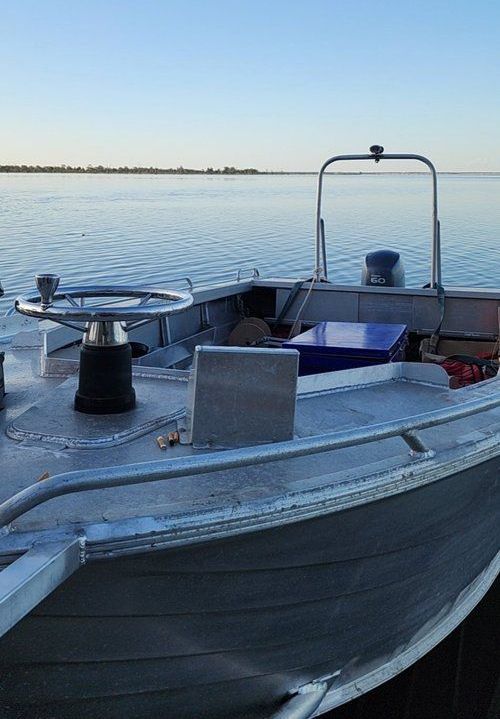
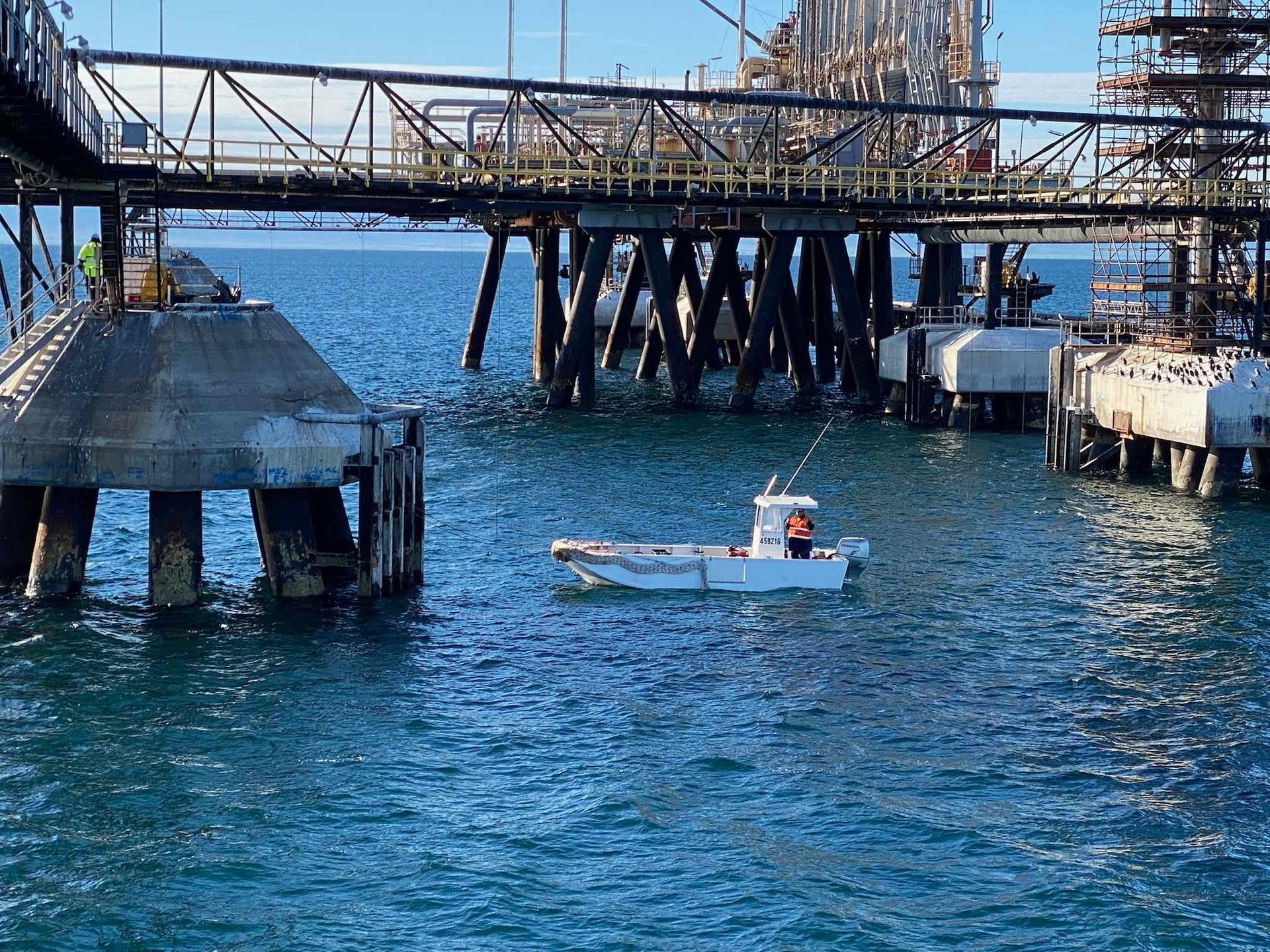
Work boats can provide access to the recovery area, move crew and equipment, support divers, and assist with positioning or handling during a salvage operation. The right vessel depends on factors such as deck space, load requirements, water depth, manoeuvrability, and the type of work being carried out.
Cranes and lifting equipment
Where an object needs to be lifted clear of the water, repositioned, or transferred onto a vessel or shore, a crane or other lifting equipment may be required. Lift planning needs to consider the weight and condition of the load, rigging points, reach, vessel stability, and the working environment.
How are sunken boats recovered?
Recovering a sunken boat usually involves several stages rather than simply lifting it straight from the water. The exact sequence depends on the vessel, but the process may include an initial inspection, stabilisation, rigging, adding buoyancy, pumping water, lifting or refloating, and then moving the vessel to an appropriate location.
If airbags are suitable, they can be positioned to create controlled buoyancy around the vessel. As the vessel rises, the recovery team can reassess its balance and condition before progressing further. A crane may be used where a direct lift is more practical, while work boats can support crew, divers, equipment, and positioning.
Damaged vessels may also contain fuel, oils, batteries, loose materials, or other items that need to be considered during planning. This is one reason a site-specific assessment is important before recovery work starts.
What determines the best recovery method?
Two vessels can sink in similar locations and still require different salvage plans. A practical assessment considers the whole recovery, not just how to get the asset off the bottom.
Key factors include:
- the vessel or asset size and estimated weight
- how much of the structure is submerged
- the condition and structural integrity of the asset
- water depth, currents, tides, and visibility
- shore and vessel access
- available lifting and rigging points
- the need for divers or underwater inspection
- environmental and navigational risks
- where the recovered asset needs to be moved afterwards
These factors help determine whether the job is better suited to buoyancy-assisted recovery, crane lifting, refloating, towing after stabilisation, or a combination of methods.
What happens after a vessel is recovered?
Once a vessel reaches the surface, the job may still require stabilisation, dewatering, transport, relocation, or preparation for repair or disposal. The next step depends on the vessel's condition, ownership requirements, site access, and the arrangements made before the recovery.
The recovery area may also need to be checked for remaining debris or equipment. For larger incidents, documentation and coordination with relevant asset owners, insurers, authorities, or contractors may form part of the wider project.
Marine salvage across South Australia
South Australia presents a varied marine environment, with coastal waters, the River Murray, marinas, regional waterways, and remote locations all creating different access and mobilisation requirements. A recovery contractor may therefore need to combine marine plant, work boats, diving support, and lifting equipment to suit the site rather than rely on one standard setup.
Send It Marine is based in Berri and provides marine recovery capability across South Australia, including regional and remote areas. Its service offering includes work boats, commercial diving support, marine recovery airbags, and marine lifting equipment that can be matched to different project requirements.
If you have a sunken, stranded, or difficult-to-access vessel or marine asset, contact the Send It Marine team with the location, vessel details, and any information you have about the incident. This gives the team a useful starting point for discussing the recovery requirements and suitable next steps.