What Does “Boat in Survey” Mean? Understanding AMSA Survey Requirements
When someone says a commercial boat is “in survey”, they are generally referring to a vessel that sits within Australia’s domestic commercial vessel survey regime and is required to meet the survey and certification requirements that apply to its operation. For owners, operators, contractors, and project managers, that matters because a vessel used commercially may need more than registration or a recreational boating setup before it can legally perform certain work.
The exact requirements depend on the vessel, how it is used, where it operates, and whether an exemption applies. In many cases, a domestic commercial vessel needs a certificate of survey issued by the Australian Maritime Safety Authority, commonly known as AMSA. The survey process provides evidence that the vessel has been assessed against the design, construction, stability, machinery, fire safety, and safety-equipment standards that apply to it.
This guide explains what “boat in survey” means in practical terms, what a certificate of survey does, who performs AMSA vessel surveys, how periodic surveys work, and what operators should check before choosing a commercial vessel for a project. Send It Marine also provides AMSA survey-related marine and vessel support across South Australia, with commercial work boats available for inspection, construction, diving, recovery, and other marine project requirements.
What does “boat in survey” actually mean?
“In survey” is an industry term commonly used to describe a commercial vessel that is subject to an approved survey regime. In Australia, most domestic commercial vessels are required to hold a certificate of survey unless they fall within an applicable exemption.
AMSA states that a certificate of survey is evidence that a vessel has been surveyed and meets the standards that apply to its design, construction, stability, and safety equipment. It is not simply a general statement that a boat is in good condition. The certificate relates to the vessel’s approved commercial use and the conditions under which it may operate.
A vessel may also be described by a service category that reflects the type of operation and operating area for which it is approved. The certificate can identify service categories, the number of crew, passengers, and special personnel that may be carried, and other vessel-specific conditions.
This is why two vessels of similar size may not necessarily be interchangeable on a commercial project. Their approved operating conditions, personnel limits, equipment, and survey status can differ.
Does every commercial boat need a certificate of survey?
No. AMSA’s current guidance says domestic commercial vessels generally require a certificate of survey, but exemptions apply to some vessel types and operating arrangements. Examples can include certain small vessels, vessels operating in defined sheltered or near-shore conditions, some human-powered or sailing vessels, tenders, and other categories covered by national exemptions.
The important distinction is that an exemption from holding a certificate of survey does not mean the vessel is exempt from all commercial-vessel requirements. Depending on the operation, the vessel may still require other approvals, a certificate of operation or exemption, a safety management system, a unique vessel identifier, qualified crew, and appropriate safety equipment.
For project managers hiring a vessel, the practical question should therefore be broader than “Is the boat in survey?” It is also important to ask whether the vessel is approved and suitable for the proposed activity, operating area, personnel, and conditions.
AMSA provides a My Boat system and detailed domestic commercial vessel guidance that owners and operators can use to determine which requirements apply to a particular vessel and operation.
What does a certificate of survey confirm?
A certificate of survey confirms that the vessel has gone through the survey process required for its category and has been assessed against the applicable standards. AMSA identifies design, construction, stability, and safety equipment among the core areas covered by the survey framework.
Depending on the vessel, survey work may also involve areas such as structure, machinery, fuel systems, electrical systems, fire protection, watertight and weathertight integrity, flotation, and load line requirements. The exact scope depends on whether the vessel is new, existing, transitional, modified, or subject to a particular survey regime.
The certificate itself also places conditions around how the vessel can be used. AMSA notes that it can identify:
- the service categories for which the vessel is approved
- the number of crew that can be carried
- the number of passengers or special personnel permitted
- other conditions specific to the vessel
These details are especially relevant when vessels are used for commercial diving, infrastructure inspection, construction, flood-response work, or projects requiring additional personnel and equipment. A boat may physically have enough deck space for a team, but that does not automatically mean its approved operating conditions allow that number or type of personnel.
Who performs an AMSA vessel survey?
AMSA advises that most domestic commercial vessel surveys can be completed by an accredited marine surveyor who holds the appropriate category of accreditation for the survey being conducted. Certain larger, more complex, or novel vessels may instead need to be surveyed by an AMSA-recognised organisation, also known as a classification society.
This distinction is important when arranging survey work. A marine contractor, vessel operator, boat builder, or hire company should not automatically be treated as an accredited marine surveyor unless that accreditation can be verified for the required survey category.
AMSA maintains a current register for finding accredited marine surveyors. Owners can use it to check a surveyor’s accreditation categories, preferred work areas, and contact details before arranging work.
For marine projects, a vessel provider may still support the survey process by supplying suitable access, a work platform, transport, or a vessel that allows the accredited surveyor and project team to reach the required location. That support role is different from performing the statutory survey itself.
What happens during an initial vessel survey?
For a new commercial vessel or a vessel entering the survey regime, the process can involve several stages rather than a single inspection at the end. AMSA’s guidance for initial certificate applications refers to plan approval, construction surveys, commissioning surveys, and supporting reports for relevant vessel systems.
The exact sequence varies with the vessel and project, but survey activities may address:
- design and plan approval
- hull structure and construction
- engineering and machinery systems
- electrical systems
- fuel tanks and fuel systems
- fire safety and fit-out
- watertight and weathertight integrity
- stability or flotation requirements
- load line requirements where applicable
- commissioning and final compliance checks
For owners converting an existing recreational boat to commercial use, the process can be more involved than simply booking a surveyor for a final inspection. The vessel’s original design, construction, modifications, intended service category, operating area, and proposed passenger or personnel numbers can all affect what evidence and changes are required.
This is one reason operators should involve an appropriately accredited surveyor early when planning a new commercial build, major modification, or conversion.
What are periodic and renewal surveys?
Being in survey is an ongoing obligation rather than a one-off approval. AMSA requires vessels subject to the survey regime to follow the survey schedule that applies to them.
Every vessel with a certificate of survey needs to be surveyed when the certificate is renewed. Some vessels also require periodic surveys during the life of the certificate. The frequency depends on the vessel’s survey category and the requirements set out under Marine Order 503.
Periodic surveys can provide an opportunity to check that the vessel continues to comply with the standards and certificate conditions that apply to it. Owners are also responsible for maintaining the vessel and completing repairs or other work needed to keep it compliant between formal survey dates.
For contractors hiring commercial boats, asking for current vessel documentation can help confirm that the vessel remains suitable for the intended job rather than relying on an old statement that it was once “in survey”.
What is the difference between a certificate of survey and a certificate of operation?
The two certificates relate to different parts of commercial vessel compliance. A certificate of survey concerns the vessel itself and provides evidence that it meets the applicable survey standards. A certificate of operation relates to the commercial operation and describes the vessels used, how and where they operate, and any relevant operating conditions.
AMSA also requires commercial vessel operators to have a safety management system unless a specific exemption changes the requirement. This means project suitability involves both the physical vessel and the way the commercial operation is managed.
For a client engaging a work boat, barge, or survey vessel, it can therefore be useful to confirm the documentation relevant to the vessel and the proposed operation. A vessel that is appropriate for one service category or operating area may not automatically be suitable for another.
Can a recreational boat be put into commercial survey?
Potentially, but the process depends on the boat and intended use. Moving from recreational use into commercial service can trigger requirements that were not part of the vessel’s original design or build.
Areas such as stability, structure, machinery, fuel systems, electrical systems, fire protection, safety equipment, flotation, and personnel limits may need to be considered against commercial vessel standards. A boat that performs well recreationally is not automatically guaranteed to meet the standards for a proposed commercial operation.
The intended service category can also influence the outcome. A small vessel carrying only crew in sheltered waters may face a different compliance pathway from a passenger-carrying charter vessel operating offshore.
Before buying or converting a vessel for commercial work, it is sensible to discuss the intended operation with an appropriately accredited surveyor and check AMSA’s current requirements. Doing this early can reduce the risk of purchasing a vessel that requires significant modification before it can be used as planned.
What should project managers check when hiring a survey vessel?
For civil, marine, infrastructure, diving, or inspection work, the vessel selection process should consider more than the label “AMSA survey vessel”. The boat still needs to suit the actual project.
Useful questions can include:
- What commercial activity will the vessel support?
- Where will the vessel operate?
- How many crew and special personnel need to be carried?
- What equipment and deck load will be required?
- Does the vessel need diving access or low-freeboard access?
- Will the job involve lifting, recovery, inspection, or construction equipment?
- What water depth, current, tide, and access constraints apply?
- What vessel documentation is relevant to the proposed operation?
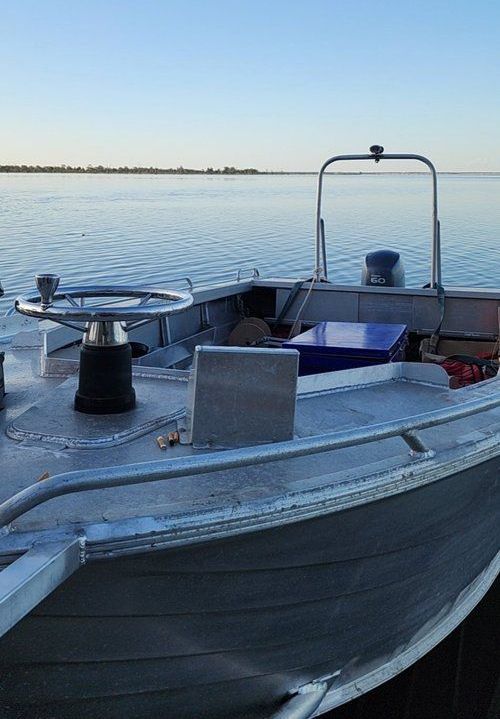
Send It Marine lists The Pig as an AMSA survey vessel and positions the 7.3 m work boat for diving, marine infrastructure inspections, flood response, recovery, and other specialised marine projects. Its listed configuration includes water-level dive doors, usable deck space, and capacity for special personnel, making it a practical example of why project function matters alongside survey status.
The wider Send It Marine commercial vessel hire fleet also includes different work boats and a transport barge, allowing vessel selection to be based on project access, deck requirements, personnel, and operating conditions rather than using one vessel for every task.
Are AMSA survey requirements changing?
AMSA has been reviewing Marine Order 503, which governs certificates of survey for domestic commercial vessels. A consultation on a proposed replacement order closed on 20 April 2026, with a proposed commencement date of 1 February 2027.
At the time of writing, the current Marine Order 503 (Certificates of survey – national law) 2018 remains in force. The proposed 2026 changes should therefore not be treated as current requirements unless and until the revised order formally commences.
This is particularly important for owners planning a new vessel, renewal, major modification, or future commercial operation. Regulations and survey standards can change, so AMSA should remain the primary source for current compliance requirements.
AMSA survey vessel support across South Australia
Commercial marine projects across South Australia can involve very different operating environments, from the River Murray and Riverland to Adelaide, coastal waters, marinas, and remote regional locations. The right vessel needs to match both the regulatory requirements and the practical demands of the project.
Send It Marine provides commercial work boats, barges, diving support, inspection access, recovery equipment, and other marine project capability across South Australia. Where a project involves AMSA survey-related work, the company can provide suitable vessel and marine support while the statutory survey itself should be undertaken by the appropriately accredited surveyor or recognised organisation required for the job.
If you need a commercial work boat or survey vessel for a South Australian marine project, contact the Send It Marine team with the project location, operating area, personnel requirements, equipment, and expected work scope. Those details provide a practical starting point for identifying a suitable vessel and any supporting marine equipment required.