How Are Bridges, Jetties and Marine Assets Inspected After Flooding?
Flooding can change the condition of a bridge, jetty, pontoon, mooring, or other waterside asset in ways that are not obvious from above the waterline. Fast-moving water can shift debris, alter the riverbed, expose foundations, damage fittings, move floating structures, and scour material from around piles and abutments. Once water levels begin to fall, an inspection can help asset owners and project teams understand what has changed and where closer assessment may be required.
Post-flood inspection is not simply a matter of checking for visible damage on the deck or shoreline. For structures that extend below the waterline, the submerged sections may need to be inspected directly. This can involve commercial divers, work boats, photography or video, measurements, and a defined inspection brief that identifies the areas and conditions the project team needs documented.
Send It Marine provides flood-related inspection support across South Australia, along with commercial diving and marine infrastructure inspection capability. This guide explains what a post-flood inspection may involve and the types of conditions project teams commonly look for around bridges, jetties, pontoons, moorings, and other marine assets.
Why should bridges and marine assets be inspected after flooding?
Floodwater can place unusual hydraulic and physical loads on structures. The visible part of an asset may appear unchanged while conditions around submerged foundations, piles, connections, or the surrounding bed have altered significantly.
South Australia's Road Structures Inspection Manual identifies scour, debris accumulation, erosion, undermining, and movement among the conditions that can affect bridge structures around waterways. It also notes that debris can increase loading on a bridge, strike piles, restrict the waterway, and worsen scour around foundations. These issues are particularly relevant after high flows because the condition of the riverbed and supporting ground can change rapidly.
The Department for Infrastructure and Transport has also documented scour repair works on Riverland bridges following the 2022-23 River Murray floods, highlighting how fast-moving water can remove soil and rock from around bridge foundations. For asset owners, this shows why post-flood inspections need to consider what is happening below the waterline as well as what can be seen from the road, deck, or bank.
What is checked during a post-flood bridge inspection?
The inspection scope depends on the bridge, the severity of the flood, known issues, and what can be accessed safely. A visual inspection from land or the bridge deck may identify obvious damage, but underwater bridge inspection may be needed where submerged components or the waterway bed need closer assessment.
Areas that may be checked include:
- bridge piles, piers, and abutments
- submerged foundations and pile exposure
- the riverbed or waterway profile around supports
- scour holes, erosion, or undermining
- debris caught against piles or other structural elements
- visible cracking, spalling, corrosion, or impact damage
- movement or changes in alignment
- bank erosion and changes around approach areas
- protective works or rock armour around foundations
The purpose of the underwater component is generally to document observable conditions that cannot be reliably assessed from the surface. Where a formal engineering determination, structural capacity assessment, or specialist testing is required, the inspection evidence can then be provided to the relevant engineer or specialist for review.
What is scour and why does it matter after a flood?
Scour is the removal of sediment, soil, or rock from around bridge foundations and other structures by moving water. During a flood, increased flow velocity can erode the bed around piles, piers, abutments, culverts, and protection works. As the water recedes, some scour holes may remain visible while others can partially refill with loose sediment.
The South Australian Road Structures Inspection Manual identifies signs of recent scour activity such as exposed piles, undermining beneath piers or abutments, loss of batter protection, erosion around banks, and loose sediment accumulating near structural supports. These conditions matter because loss of supporting material can affect the stability of foundations and the surrounding structure.
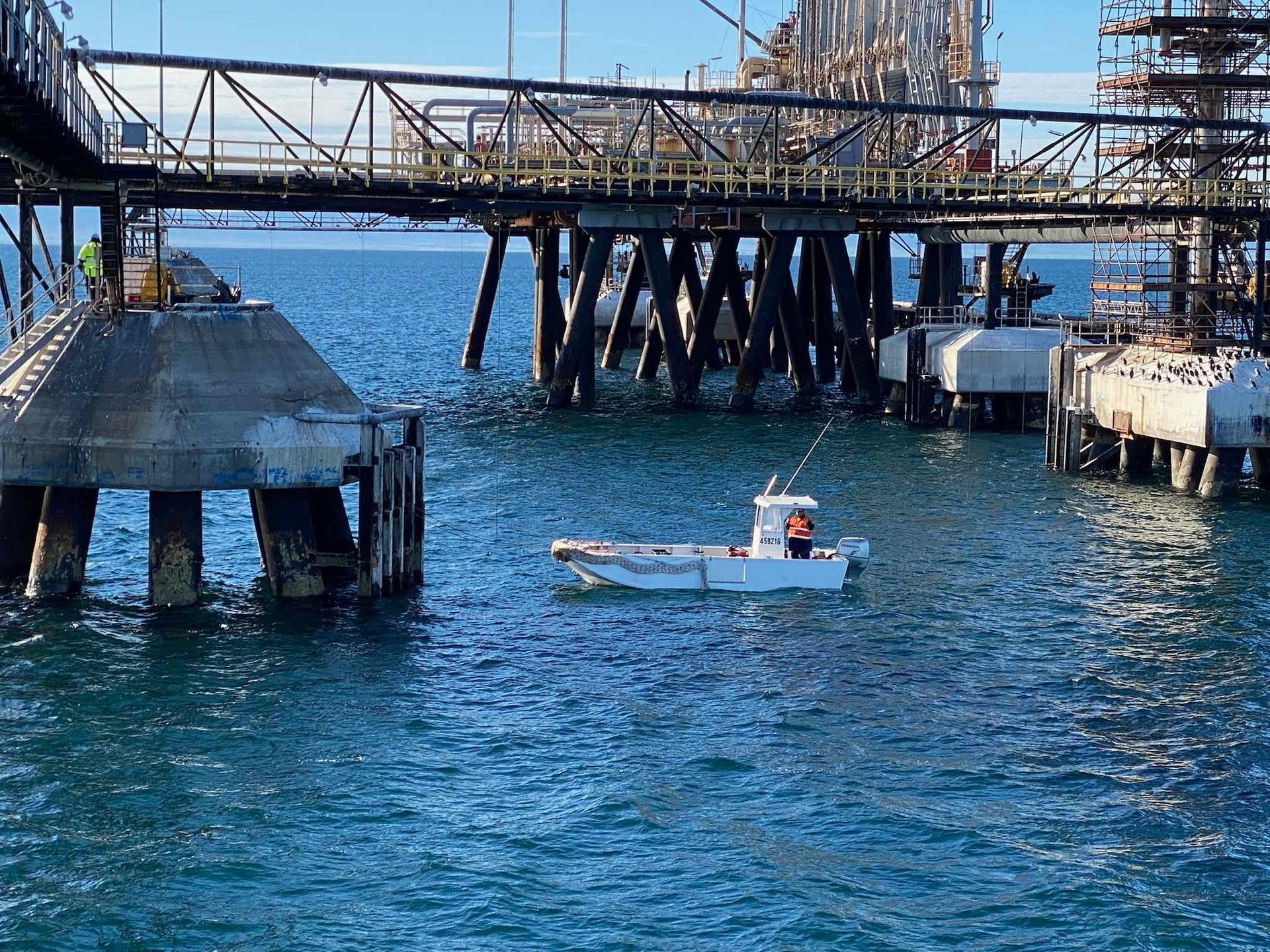
Scour is not limited to major road bridges. Similar erosion processes can affect smaller crossings, jetty piles, retaining structures, boat ramps, culverts, and other assets positioned within flowing water. The inspection brief should therefore reflect the type of structure and the flood conditions it experienced.
How can debris damage bridges, jetties and marine structures?
Floodwater can carry branches, logs, vegetation, floating materials, damaged vessels, and other debris downstream. When that material becomes trapped against a bridge, jetty, pontoon, pile group, or mooring system, it can increase loading and obstruct the normal movement of water around the structure.
Debris can also cause direct impact damage. Slender piles, fenders, pontoons, ladders, mooring components, and connections may be vulnerable where large objects move through the water at speed. Even where there is no obvious breakage, an inspection may be useful to confirm whether fittings have shifted, bent, loosened, or become obstructed.
Removing or disturbing debris can introduce additional hazards, particularly where it is submerged, under load, entangled, or positioned in moving water. The inspection stage should therefore establish what is present and where it is located before any separate removal or remedial work is planned.
How are jetties, pontoons and moorings inspected after flooding?
Jetties, pontoons, floating docks, and mooring systems respond differently to flooding than fixed bridge structures. High water can change loads on piles and guide systems, place unusual forces on gangways and connections, move floating sections beyond their normal operating range, and carry debris into areas that are difficult to inspect once water levels fall.
A post-flood inspection may look at:
- piles and submerged supports
- pontoon guide systems and connections
- moorings, chains, anchors, and attachment points
- fenders, ladders, brackets, and underwater fittings
- signs of movement or misalignment
- impact damage from debris or vessels
- erosion or scour around piles and anchors
- submerged debris or entanglement
For commercial or public assets, photographs and video can provide a useful record of conditions after the event. This may help asset managers compare the structure with earlier inspection records and decide whether further engineering review, maintenance, cleaning, or repair work is required.
When are commercial divers used after a flood?
Commercial divers can be used where the project team needs direct access to submerged parts of an asset. They can move around piles and structures, inspect components from different angles, photograph or record conditions, identify debris and obstructions, and gather information that may be difficult to obtain from the surface.
For a bridge inspection, divers may be directed to particular piers, abutments, or foundation areas identified by the asset owner or engineer. For a jetty or pontoon, the scope may involve underwater piles, connections, mooring components, or areas where damage is suspected. Send It Marine's commercial diving support is used for marine investigations, inspections, and recovery-related works across South Australia.
Diving is only one inspection method. ROVs, sonar, cameras, and other remote systems may also be suitable depending on water depth, visibility, current, access, and the information required. Where the task requires direct physical access to a component, however, a diver-led inspection can provide a practical way to examine specific areas closely.
What information is recorded during an underwater inspection?
The usefulness of an underwater inspection depends heavily on the brief. A general request to inspect an entire structure may produce less actionable information than a scope that identifies the components, suspected issues, reference drawings, and decisions the client needs to make afterwards.
Depending on the agreed scope, inspection outputs may include:
- underwater photographs and video
- observations linked to particular piles, piers, or components
- visible evidence of scour, erosion, or undermining
- records of debris or obstructions
- visible cracking, corrosion, deformation, or damage
- confirmation of the presence or condition of fittings
- basic measurements where suitable and included in the scope
- information for engineers, councils, contractors, or asset owners to review
An underwater inspection should not be presented as a substitute for a structural engineering assessment where one is required. Its role is often to provide the evidence and access needed to make the next engineering, maintenance, or project decision with better information.
How do work boats support post-flood inspections?
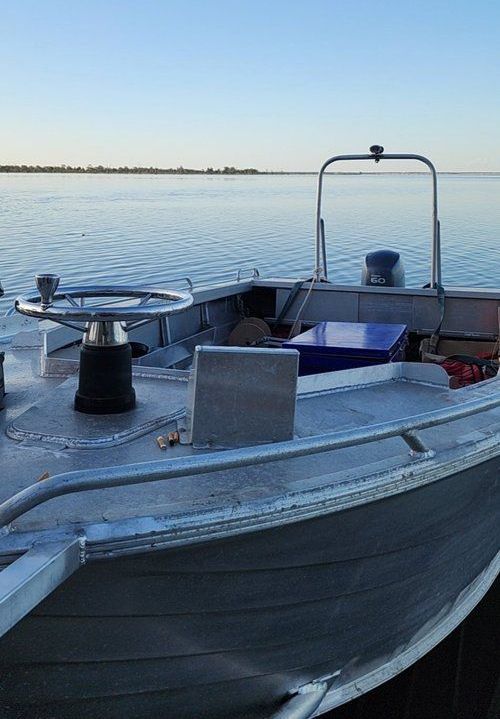
Work boats can provide access to structures that cannot be reached effectively from shore. They can carry divers, inspection equipment, project personnel, and safety gear while providing a working platform near the asset.
The vessel selected depends on the site. A smaller, manoeuvrable vessel may be useful around bridge spans, piles, marinas, and tighter waterways, while larger platforms may be needed where more equipment or deck space is required. Send It Marine's The Pig survey and diving vessel is positioned for diving, infrastructure inspection, survey work, flood response, and recovery support.
Access after flooding may also be affected by changed water levels, debris, damaged ramps, altered currents, or restrictions around the structure. These conditions need to be considered when planning mobilisation and selecting a suitable vessel.
When should a post-flood inspection be arranged?
There is no single inspection timing that suits every bridge or marine asset. The appropriate response depends on the severity of the event, the importance of the structure, known vulnerabilities, visible damage, water conditions, and the asset owner's inspection and maintenance requirements.
Potential triggers for closer inspection can include:
- significant flooding or unusually high flows
- visible debris accumulation around a structure
- bank erosion or changes in the waterway
- suspected scour around piles or foundations
- movement of pontoons, jetties, or mooring systems
- vessel or debris impact during the flood
- newly exposed structural components
- visible deterioration after water levels recede
- the need to document conditions before reopening, repair, or further works
Transport agencies also recognise flood events as a reason to initiate additional bridge inspections. Transport for NSW guidance, for example, notes that underwater and scour inspections may be initiated in response to a flood event or incident. This reinforces the value of treating major flooding as a potential inspection trigger rather than relying only on routine inspection cycles.
How does post-flood inspection support repair planning?
Inspection findings can help project teams identify where further investigation or remedial work should be concentrated. If scour is observed around a bridge pier, the next step may involve engineering review and a repair or scour-protection design. If a pontoon connection has moved, the project may require maintenance or replacement. If debris is obstructing a structure, a separate removal plan may be needed.
South Australia's River Murray flood recovery works provide a practical local example. The Department for Infrastructure and Transport has undertaken scour repairs to bridge piers and abutments in the Riverland following the 2022-23 floods. That type of remedial program depends on understanding how floodwater has affected the structure and its supporting ground.
For a deeper explanation of the underwater inspection process itself, see our guide to underwater infrastructure inspections.
Post-flood marine inspection support across South Australia
South Australian flood events can affect very different environments, from the River Murray and Riverland waterways to bridges, marinas, jetties, pontoons, culverts, and other regional waterside assets. Conditions can also vary significantly between urban, regional, and remote sites, particularly where mobilisation and vessel access are involved.
Send It Marine is based in Berri and provides flood-related assessments, marine infrastructure inspections, commercial diving support, and specialist work boats across South Australia. The appropriate inspection setup can be matched to the site, structure, water conditions, and information the project team needs to collect.
If a bridge, jetty, pontoon, mooring, or other marine asset needs to be checked after flooding, contact the Send It Marine team with the location, asset details, photographs, known flood conditions, and the components or concerns that need to be assessed. That information provides a practical starting point for defining the inspection scope and access requirements.