What Is an Underwater Infrastructure Inspection?
An underwater infrastructure inspection is used to assess parts of a structure that sit below the waterline and cannot be properly checked from the surface. For asset owners, councils, engineers, contractors, and marine operators, these inspections can provide direct information about the condition of submerged components before decisions are made about maintenance, repairs, recovery work, or further engineering assessment.
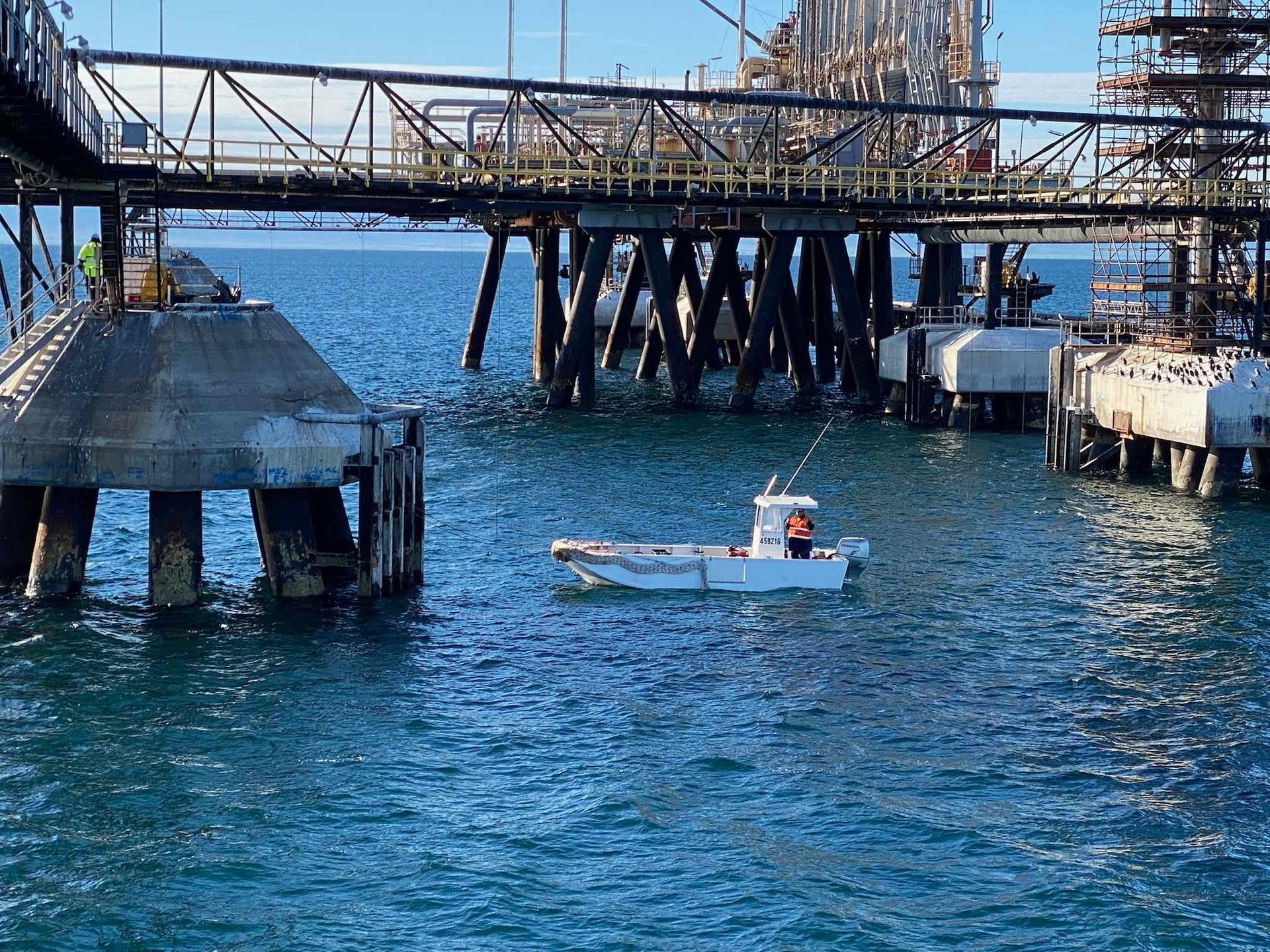
The scope can vary significantly depending on the asset and the reason for the inspection. A bridge pile may need to be checked after flooding or impact, while a jetty or pontoon may be inspected as part of broader condition monitoring. Other projects may involve moorings, underwater fittings, marine construction elements, pipelines, culverts, or submerged debris. Send It Marine provides marine infrastructure inspection services across South Australia using commercial divers and specialised marine vessels suited to water-based access.
What is an underwater infrastructure inspection?
An underwater infrastructure inspection is a planned assessment of submerged sections of an asset or structure. The objective is usually to document what is present below the waterline, identify visible changes or potential defects, and collect information that can support the next stage of asset management or project planning.
The inspection itself does not automatically replace engineering analysis. In many projects, the diving or inspection team gathers observations, photographs, video, measurements, or condition information that can then be reviewed by the relevant engineer, surveyor, asset owner, or project team.
This distinction is important. The value of the underwater inspection is often in giving decision-makers reliable visibility of areas they cannot otherwise see, rather than making assumptions about submerged components from what is visible above the surface.
What types of infrastructure can be inspected underwater?
Underwater inspection services can apply to a wide range of civil, marine, and waterside assets. The exact scope depends on the structure, its location, and what information the client needs.
Common examples can include:
- bridge piles, piers, abutments, and submerged foundations
- jetties, wharves, pontoons, and marina structures
- moorings, anchors, chains, and underwater fittings
- culverts, outlets, intakes, and submerged pipework
- retaining or protection structures extending below the waterline
- marine construction components and temporary works
- submerged vessel components or damaged marine assets
- debris or objects affecting access around infrastructure
Send It Marine's current inspection service is positioned around marine constructions, piers, jetties, moorings, and other submerged structures. For projects where a wider inspection scope is required, the task should be defined before mobilisation so the dive team understands which components need to be located, viewed, photographed, or otherwise assessed.
What are inspectors looking for underwater?
The inspection criteria should be based on the asset and the reason for the assessment. A post-flood inspection, for example, may focus on impact, debris, movement, scour, or newly exposed sections. A condition inspection of a jetty may focus more on visible deterioration, connections, piles, marine growth, or damaged components.
Depending on the structure and project brief, inspectors may look for:
- cracks, deformation, or visible structural damage
- corrosion or deterioration of metal components
- surface loss or damage to concrete, timber, or protective systems
- loose, damaged, or missing fittings and connections
- movement or damage around piles and foundations
- scour, erosion, sediment movement, or exposed sections
- marine growth that obscures the condition of an asset
- debris, entanglement, or other underwater obstructions
- impact damage following a vessel or flood event
Not every inspection needs to cover every item. A useful inspection brief identifies the questions the project team needs answered so the diver can focus on the relevant parts of the asset rather than simply recording general underwater footage.
How are underwater infrastructure inspections carried out?
There are several ways to inspect underwater assets. Commercial divers are one option, while remotely operated vehicles, sonar, cameras, and other remote systems may also be used across the wider inspection industry. The appropriate method depends on water depth, visibility, currents, access, the structure itself, and the level of interaction required with the asset.
Diver-led inspections
Commercial divers can physically access submerged components, move around structures, inspect areas from different angles, and respond to changing conditions during the dive. Where required by the scope, they may also assist with cleaning small areas for visibility, identifying fittings or attachment points, or supporting measurements and photographic records.
Send It Marine provides commercial diving support for underwater investigations, infrastructure inspections, and recovery work across South Australia.
ROV and remote inspections
Remotely operated vehicles can be useful where diver access is impractical, visibility is poor, depth is greater, or repeatable video and sensor data are required. The Australian underwater inspection SERP includes several specialist ROV providers using cameras, sonar, photogrammetry, and other remote systems for bridges, dams, pipelines, tunnels, and marine assets.
Divers and ROVs are not necessarily competing methods. On some projects, remote systems can be used for an initial survey before divers are sent to particular areas. On others, direct diver access may be more practical because the task requires closer physical inspection or interaction with the asset.
When should underwater infrastructure be inspected?
There is no single inspection interval that suits every marine or civil asset. Frequency should be determined by the asset owner, engineer, maintenance plan, regulatory requirements, exposure conditions, and the history of the structure.
However, several events can trigger the need for an underwater assessment, including:
- flooding or unusually high water events
- vessel impact or suspected collision damage
- visible deterioration around the waterline
- movement or damage to a jetty, pontoon, mooring, or pile
- planned maintenance or remedial works
- construction activity around existing marine infrastructure
- changes in sediment, scour, or riverbed conditions
- the need to document an asset before further engineering assessment
Send It Marine also provides flood-related inspection support, which can be relevant where water events have affected bridges, jetties, access points, or other waterside assets.
What information can an underwater inspection provide?
The usefulness of an inspection depends heavily on the quality of the brief. A project that simply asks a diver to 'have a look' may produce less useful information than one that identifies the asset, the areas of concern, previous defects, drawings, expected components, and the decisions that will be made from the inspection.
Depending on the agreed scope, useful outputs can include:
- photographs and underwater video
- location-specific observations
- confirmation that particular components are present or accessible
- visible condition notes
- records of debris, obstructions, or damage
- basic measurements where suitable and included in scope
- information for engineers or asset owners to review
Where a formal engineering condition rating, structural certification, specialist non-destructive testing, or detailed dimensional survey is required, that should be identified separately and undertaken by suitably qualified specialists. The inspection method and reporting should match the actual decision the client needs to make.
How do underwater inspections support bridge and jetty maintenance?
Bridges and jetties often have critical components that continue below the waterline. Surface inspections can show damage above or around the splash zone, but they may not reveal what is happening deeper around piles, supports, connections, foundations, or the bed around the structure.
Underwater bridge inspection can help project teams confirm whether submerged sections show visible deterioration, impact, exposed components, debris accumulation, or changes in surrounding bed conditions. The same principle applies to jetties, pontoons, wharves, and mooring systems.
That information can then help determine whether further investigation, cleaning, specialist testing, repair design, maintenance, or monitoring is required. The underwater inspection is therefore part of a wider asset-management process rather than an isolated exercise.
How do work boats support an underwater inspection?
Many inspection sites require a vessel to move divers, equipment, and project personnel to the asset and provide a practical working platform. Vessel selection depends on access, deck space, manoeuvrability, water depth, current, and the amount of equipment required.
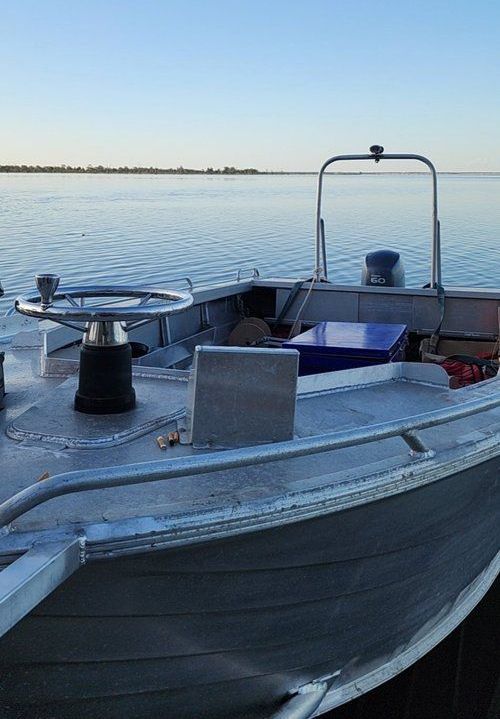
Send It Marine's The Pig survey and diving vessel is specifically positioned for diving, marine infrastructure inspection, survey work, flood response, and recovery support. Other work boats or barges may be better suited where larger deck areas, heavier equipment, or different access conditions are involved.
For marine construction projects, inspection vessels can also help project teams check submerged works during different stages of delivery. Send It Marine's marine construction support can be combined with vessel access and underwater inspection where the project scope requires it.
What safety planning is involved in diver-led inspections?
Commercial diving is a planned work activity with specific health and safety obligations. Water depth, current, visibility, vessel movements, entanglement hazards, access, breathing equipment, communication, and emergency procedures can all affect how the work is organised.
Safe Work Australia guidance on diving work identifies inspection work undertaken to determine whether construction, testing, maintenance, or repair is required as a type of high-risk diving work in relevant circumstances. The guidance also highlights risk assessment, supervision, dive planning, emergency procedures, and dive safety records as key controls.
For clients, this means underwater inspection should be treated as a defined work scope rather than an informal extension of a marine project. Clear site information and early coordination help the diving contractor plan access, equipment, personnel, and controls around the actual job.
What should project managers provide before an inspection?
Good project information can reduce uncertainty before mobilisation and help the inspection team prepare for the right asset and conditions.
Useful details can include:
- the site location and suitable vessel or shore access points
- drawings, plans, or previous inspection records
- the type, age, and known condition of the structure
- specific components or defects that need to be checked
- known water depth, current, tide, or visibility conditions
- recent flood, impact, or construction events
- nearby vessel traffic or active project works
- the information or deliverables required after the inspection
If you are still deciding whether the job needs commercial divers, our guide to what commercial divers do on civil and marine projects explains where diving support fits into inspections, recovery work, and construction projects.
Underwater infrastructure inspections across South Australia
South Australian assets can sit in very different operating environments, from the River Murray and regional waterways to marinas, jetties, bridges, coastal sites, and remote project locations. Access, mobilisation, water conditions, and the availability of suitable work boats can therefore change considerably from one job to another.
Send It Marine is based in Berri and provides underwater inspection, diving, vessel, and marine project support across South Australia. Its existing infrastructure inspection service combines divers and marine vessels to support projects involving jetties, piers, moorings, marine structures, and other submerged assets.
If you need to inspect a submerged structure or investigate damage below the waterline, contact the Send It Marine team with the site location, asset details, photographs, drawings, and the questions the inspection needs to answer. That information provides a practical starting point for defining the scope, access requirements, and suitable marine support.