How to Recover a Sunken Boat: What the Process Involves
Knowing how to recover a sunken boat starts with understanding that every recovery is different. A small vessel resting upright in shallow water may need a very different approach from a damaged boat lying on its side, a houseboat in a river, or a vessel that has sunk near marine infrastructure. The condition of the boat, water depth, access, weather, currents, environmental risks, and available lifting points all influence what happens next.
Professional sunken boat recovery generally combines assessment, underwater inspection, stabilisation, buoyancy or lifting equipment, and controlled refloating or removal. The aim is not simply to pull a vessel out of the water as quickly as possible. The recovery method needs to suit the boat, the site, and what will happen to the vessel after it reaches the surface.
Can a sunken boat be recovered?
Many sunken or partially submerged boats can be recovered, but the method depends on the condition of the vessel and where it has come to rest. Factors such as hull damage, water depth, access for work boats, the weight of the flooded vessel, and the condition of the riverbed or seabed all affect the options available.
A boat that has only recently sunk may also present different issues from one that has been submerged for an extended period. Fuel, oils, batteries, loose equipment, damaged fittings, and debris can all become part of the recovery assessment.
Before equipment is selected, the recovery team needs enough information to understand the vessel and the site. This helps determine whether the boat may be suitable for buoyancy-assisted recovery, crane lifting, refloating, towing after stabilisation, or a combination of methods.
What happens first in a sunken boat recovery?
The first stage is usually an assessment of the vessel and its surroundings. This can begin with information from the owner, contractor, insurer, council, or other party responsible for the asset, followed by a closer inspection where required.
Useful information can include:
- the vessel type, length, and approximate weight
- where and when it sank
- how deeply it is submerged
- whether the boat is upright, on its side, or inverted
- known hull or structural damage
- fuel and other materials believed to be on board
- nearby jetties, bridges, moorings, or other infrastructure
- shore access and available launching points
This information helps shape the next stage. A recovery in a marina, for example, may have different access and lifting restrictions from a recovery on the River Murray or at a remote regional site.
Why are underwater inspections important?
When the submerged section of a vessel cannot be assessed from the surface, an underwater inspection can provide important information about its position and condition. Divers may be used to inspect the hull, identify damage, check for entanglement or obstructions, and assess possible attachment or rigging points.
That information can help the recovery team decide where buoyancy or lifting equipment may be placed and whether the vessel appears stable enough for the planned method. Send It Marine provides on-call diving services for marine investigations and recovery works across South Australia.
Underwater visibility, current, depth, and access can all affect how an inspection is carried out. This is why recovery planning needs to respond to the actual site rather than assume that the same process will work for every sunken boat.
How are marine airbags used to refloat a sunken boat?
Marine recovery airbags can be used to create controlled buoyancy around a submerged vessel or object. Depending on the recovery plan, the bags may help reduce the effective underwater weight of the vessel and assist in bringing it into a position where it can be stabilised, moved, or lifted further.
The placement and number of airbags depend on factors such as the boat's size, shape, condition, and position. Buoyancy needs to be introduced in a controlled way so that the vessel does not shift unexpectedly or place unnecessary stress on damaged parts of the hull.
Send It Marine uses heavy-duty airbags as part of its marine airbag recovery services for sunken vessels, submerged objects, buoyancy support, and other marine applications. The company also has marine recovery airbags available for suitable hire applications.
Airbags are not automatically the right choice for every job. Some recoveries are better suited to crane lifting, winching, pumping, or a combined approach. The decision comes back to the vessel condition, water depth, access, and where the recovered asset needs to go.
When are cranes or other lifting systems used?
A crane may be appropriate when a vessel or object needs to be lifted clear of the water, repositioned, or transferred onto a barge, trailer, or shore-based area. Lifting becomes more complex when the vessel is flooded because the load can change as water drains or the boat breaks the surface.
Rigging points, crane reach, vessel stability, surrounding structures, and the condition of the boat all need to be considered. A damaged vessel may not tolerate lifting from the same points that would normally be used when the boat is intact.
For projects where lifting support is required, Send It Marine also has a marine crane within its specialised marine equipment range.
What role do work boats and barges play?
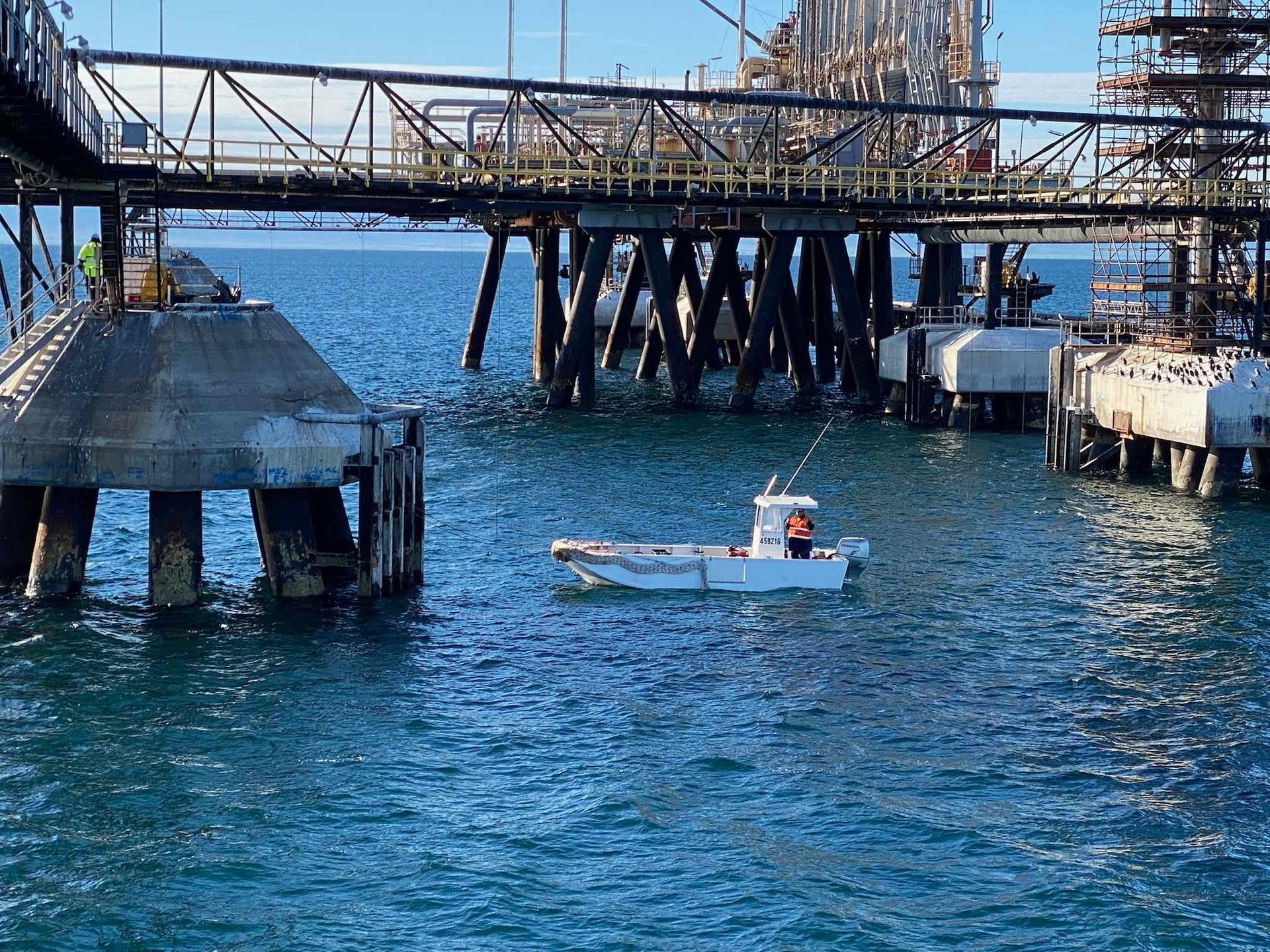
Work boats and barges can provide a stable working platform, transport crew and equipment, support divers, carry recovery gear, and help position assets during a salvage operation. The vessel selected depends on the recovery site and the tasks that need to be performed on the water.
A smaller work boat may be suitable for inspections, diver support, or crew movement in tighter waterways. A larger work platform or barge may be more appropriate where heavy equipment, crane support, recovered materials, or additional deck space are required.
For regional and remote projects, mobilisation also becomes important. The recovery plan may need to account for vessel transport, launch access, equipment delivery, and the distance between the incident location and the nearest suitable shore-based facilities.
How is the boat brought back to the surface?
Once the vessel has been inspected and prepared, the recovery team can begin the controlled lift or refloating stage. The exact sequence varies, but it may involve securing the vessel, introducing buoyancy, pumping water, using lifting equipment, or combining several of these methods.
As the vessel rises, its balance and condition need to be monitored. Water movement inside a damaged boat can change how the vessel sits, while loose equipment or structural damage can affect stability. The recovery may therefore be completed in stages rather than in one continuous lift.
Once enough buoyancy or lifting support has been created, the boat may be brought to the surface and stabilised. From there, it can potentially be towed, lifted further, moved onto a barge, or transferred to shore depending on its condition and the recovery plan.
What happens if fuel or oil is leaking?
A sunken vessel can contain fuel, oils, lubricants, batteries, and other materials that need to be considered during recovery. If oil or fuel is visible on South Australian waters, it should be treated as a separate pollution issue rather than simply as part of the lifting process.
The South Australian Government advises that marine oil spills should be reported early and that people should not attempt to clean up a spill themselves. The appropriate response may involve containment, recovery equipment, or other measures depending on the incident. See the official guidance on reporting marine oil spills in South Australia.
This is another reason professional recovery planning should consider more than the vessel alone. The surrounding waterway, nearby assets, navigation, and potential pollution all influence how the job is approached.
What affects the cost of recovering a sunken boat?
There is no single price that applies to every sunken boat recovery because the equipment, labour, access, and time required can vary substantially from one incident to another. A small vessel in shallow, accessible water may involve a simpler setup than a larger vessel in a remote location or one requiring divers, airbags, a crane, and multiple support vessels.
Factors that can influence the scope include:
- vessel size and estimated flooded weight
- water depth and visibility
- distance from shore or launching facilities
- condition of the hull and superstructure
- need for divers or underwater inspections
- buoyancy, rigging, crane, or barge requirements
- regional or remote mobilisation
- pollution, debris, or navigational considerations
- transport or disposal requirements after recovery
Providing clear photographs, vessel details, the incident location, and any known damage can help a recovery contractor understand the likely scope before mobilisation.
What happens after the boat has been recovered?
Getting the boat back to the surface is only one part of the job. Once recovered, the vessel may need to be dewatered, secured, transported, inspected, repaired, stored, or disposed of depending on its condition and the owner's requirements.
The recovery area may also need to be checked for loose debris, equipment, or materials that remained underwater. Where the incident involves an insurer, asset owner, council, or other stakeholder, photographs and other records of the recovery may also be useful for the next stage of the process.
If you want more background on the wider field, our guide to what marine salvage involves explains how boat recovery fits within broader vessel and marine asset salvage work.
Sunken boat recovery across South Australia
Recoveries in South Australia can take place across very different marine environments, from the River Murray and inland waterways to marinas, coastal areas, and regional locations. Each setting brings its own access, water conditions, mobilisation, and equipment requirements.
Send It Marine provides marine recovery support across South Australia using specialised marine equipment, work boats, diving capability, recovery airbags, and lifting equipment suited to different project requirements.
If you need to discuss a sunken, stranded, or partially submerged vessel, contact the Send It Marine team with the vessel type, location, photos, and any information you have about the incident. The team can use those details as a starting point for assessing the recovery requirements and suitable next steps.